
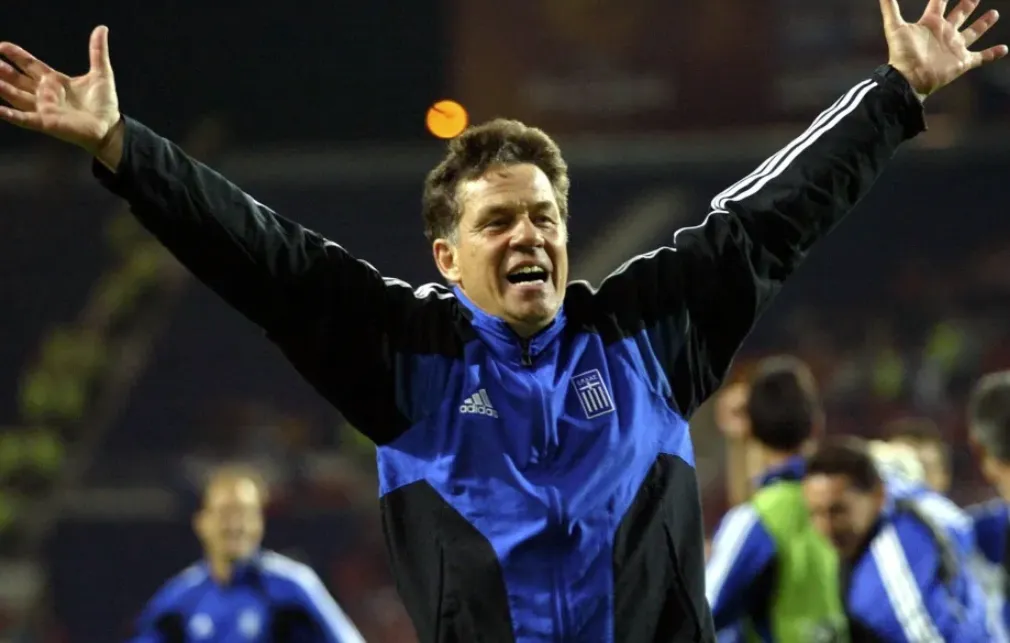
It was the summer that defied all logic. A team of unheralded players, a coach with a defensive masterplan, and a nation that dared to dream against the heaviest of odds. Twenty years ago, Greece stunned the football world by winning UEFA Euro 2004 in Portugal, creating one of the most improbable underdog stories in sports history. For fans at Jaya9 and football enthusiasts everywhere, this remains a timeless tale of tactics, teamwork, and sheer resilience. Let’s dive into how Greece pulled off the impossible and why their victory still resonates today.
The Context: A Nation’s Footballing Underdog Story
Before 2004, Greece had participated in only two major international tournaments: Euro 1980 and the 1994 FIFA World Cup. In 1994, they lost all three group matches without scoring a single goal. The Greek national team was never considered a serious contender. They lacked the star power of Italy, France, or Germany, and their domestic league was not among Europe’s elite. Expectations were so low that even qualifying for Euro 2004 was celebrated as a success in itself.
However, behind the scenes, a quiet revolution was brewing. In 2001, German coach Otto Rehhagel took charge. Known for his pragmatic approach and organizational genius, Rehhagel began building a system that prioritized discipline over flair. He instilled a belief that defensive solidity could win tournaments, a philosophy that would soon shock the continent.
The Tactical Blueprint: Why Greece’s Defense Became a Fortress
Under Rehhagel, Greece abandoned any pretense of attacking ambition. The team operated in a 4-5-1 formation that often resembled a 5-4-1. Two holding midfielders, usually Kostas Katsouranis and Angelos Basinas, screened the back four relentlessly. The full-backs rarely advanced, and the central defenders—headed by Traianos Dellas—formed an impassable wall.
The Role of Set Pieces
Greece’s attacking threat was almost entirely reliant on set pieces. Rehhagel recognized that his team could not create chances from open play against stronger opponents, so he drilled dead-ball situations obsessively. Corner kicks, free kicks, and throw-ins became Greece’s primary weapons. In fact, of their six goals in the knockout stages, four came from set pieces. This single-minded focus on set-piece efficiency was a masterstroke.
The Journey: Revisiting the Key Matches
Group Stage: A Nervous Start
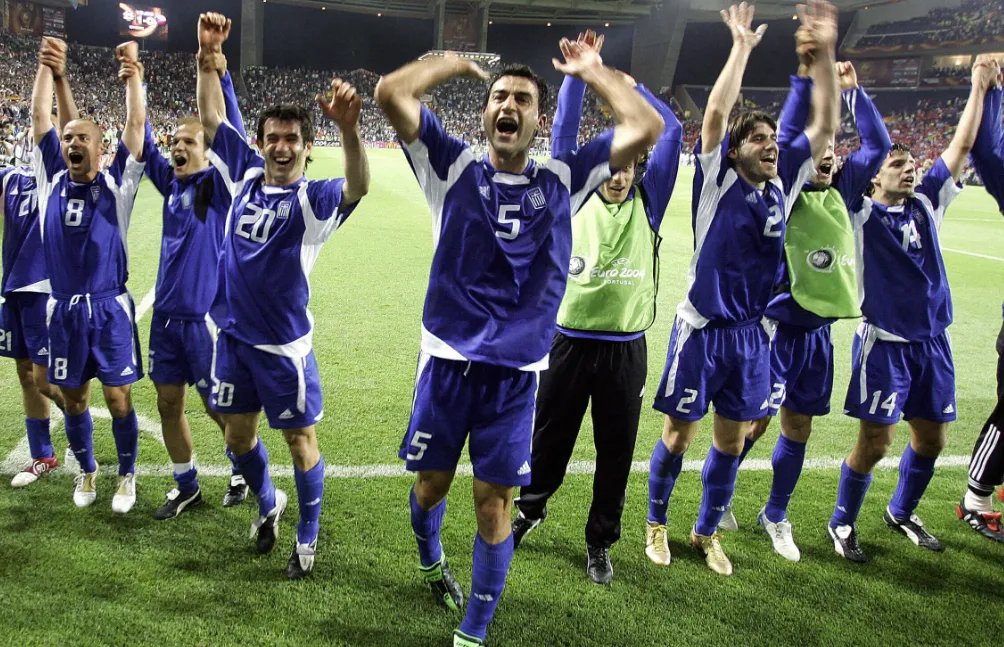
Greece began their campaign with a stunning 2-1 upset over host nation Portugal in the opening match. Goals from Karagounis and Basinas stunned the Estádio do Dragão crowd. But they then lost 1-1 to Spain and beat Russia 2-1 after trailing early. Finishing second in Group A, they advanced to the quarter-finals—already beyond any reasonable expectation.
Quarter-Final: The Giant Killing of France
In the last eight, Greece faced defending champions France. The French boasted stars like Zinedine Zidane, Thierry Henry, and Lilian Thuram. Yet, Greece’s defense swallowed them whole. In the 65th minute, a corner kick was headed across goal by Dellas, and Angelos Charisteas rose highest to nod the ball past Fabien Barthez. France was eliminated. Jaya9 fans will remember this match as the moment doubt turned into belief.
Semi-Final: Silencing the Czech Golden Generation
The semi-final pitted Greece against the Czech Republic, a team undefeated in the tournament and widely considered the best side in Europe. The Czechs boasted Pavel Nedvěd, Milan Baroš, and Tomáš Rosický. Greece, as expected, soaked up pressure for 90 minutes. The game went to extra time, and with the Czechs fatigued, Greece struck. In the 105th minute, a corner kick saw Dellas score with a glancing header—a goal later known as the “silver goal” that ended the match. Greece had reached the final.
The Final: Repeating History in Lisbon
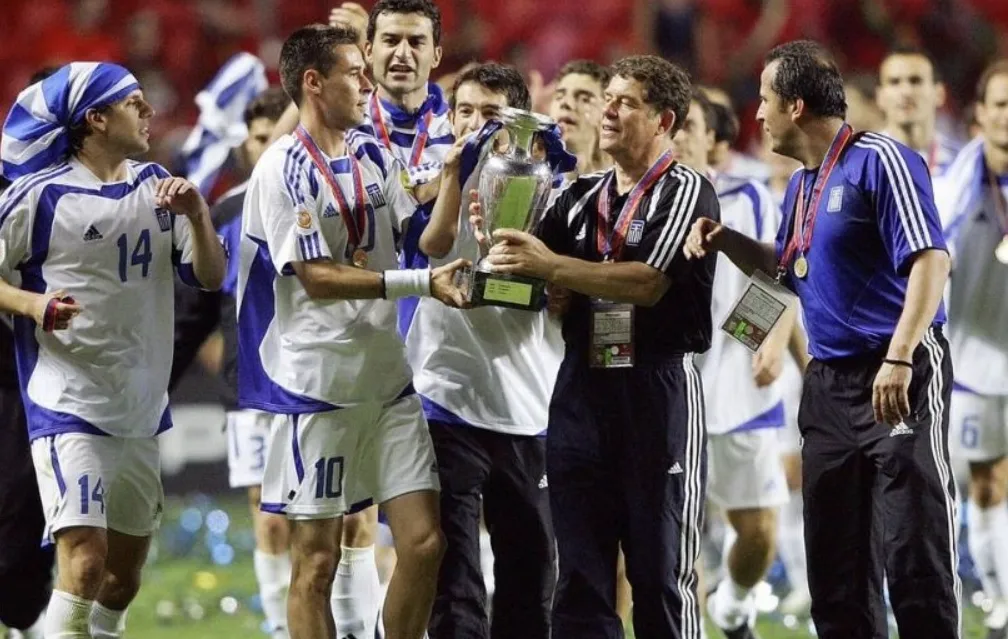
The final was a rematch with Portugal, played at the Estádio da Luz in Lisbon. Portugal, led by a young Cristiano Ronaldo and the legendary Luís Figo, were overwhelming favorites. The entire nation expected a coronation. Instead, Greece delivered another masterclass in defense. The pressure was immense, but Rehhagel’s players never wavered. In the 57th minute, another corner kick was floated in, and Charisteas powered a header past Ricardo. The goal stood. Portugal’s attacks grew desperate, but Greece’s wall held firm. The final whistle blew, and the impossible had happened.
The Aftermath: Impact on Greek Football and Global Tactics
A National Celebration
Overnight, Greece’s triumph transformed the nation. Millions lined the streets of Athens to welcome the heroes home. The players became legends: Theodoros Zagorakis, the captain, was named Player of the Tournament. Angelos Charisteas, the final’s match-winner, carved his name into folklore. The victory provided a rare moment of national unity for a country often divided by politics and geography.
Tactical Influence Worldwide
Greece’s success inspired a generation of coaches to reconsider the value of defensive organization. Teams like Chelsea under José Mourinho and Italy under Antonio Conte later adopted similar pragmatic styles. The myth that “defense wins championships” was validated on the biggest stage. Rehhagel’s methods were studied in coaching courses around the world, proving that tactics could overcome talent.
Lessons from Greece’s Triumph: What It Means for Modern Football
Discipline Over Individual Brilliance
Greece had no superstars, but they had a system. Every player knew their role perfectly. They pressed as a unit, defended as a block, and attacked with patience. In an era where football increasingly celebrates individual dribbling and high-scoring games, Greece’s victory reminds us that organization and hard work can still defeat ego and flair.
The Power of a Clear Philosophy
Rehhagel gave his team an identity. They knew exactly what to do in every situation. This clarity eliminated confusion and panic. For fans at Jaya9, this is a lesson that applies beyond football: having a clear plan, even a simple one, is often more effective than chaotic brilliance.
Conclusion: Greece’s Shock Euro 2004 Triumph 20 Years Later — A Legacy That Endures
Two decades have passed since that magical night in Lisbon, but the memory of Greece’s triumph remains as vivid as ever. It was a victory for the underdog, a testament to the power of teamwork, and a tactical masterclass that changed how we think about football. From the streets of Athens to the stadiums of Europe, the story of Euro 2004 still inspires. Whether you were a fan at the time or are just learning about it today, this is a tale that proves anything is possible in sports.
What’s your favorite memory of Greece’s incredible run? Do you think such an underdog story could ever happen again in modern football? Share your thoughts in the comments below, and don’t forget to explore more epic football moments on our site!
