
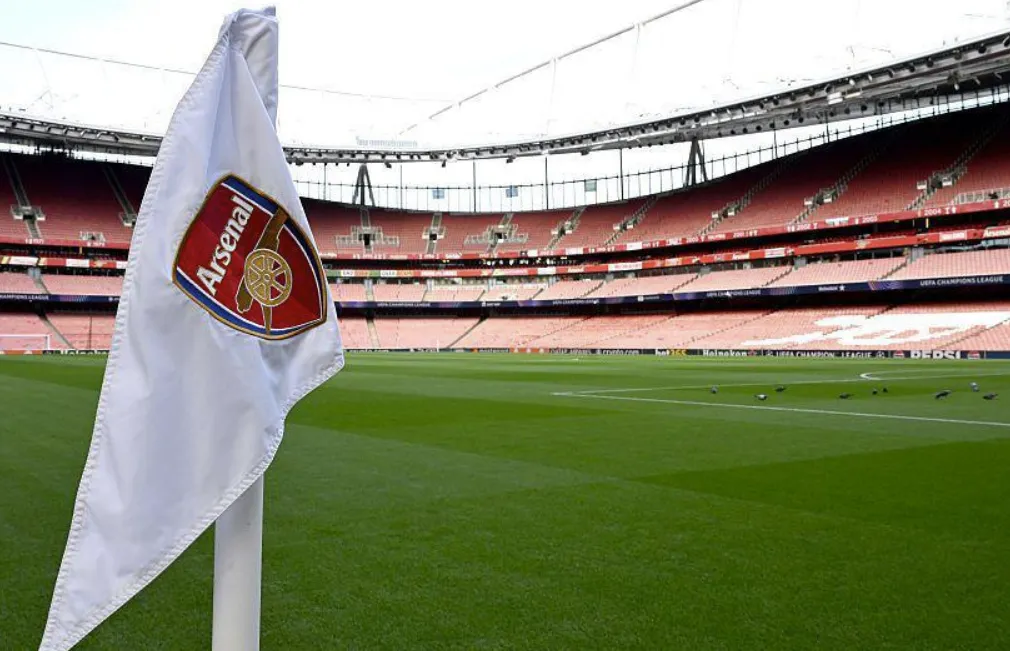
The Football Association (FA) has taken disciplinary action against both Arsenal and Manchester United following crowd disturbances during their recent FA Cup clash at the Emirates Stadium. This decision comes after tensions boiled over among supporters in what was supposed to be a showcase of English football’s finest traditions.
The match, which was played earlier this season, witnessed incidents of missile throwing, encroachment onto the pitch, and other forms of disorderly conduct that marred the competitive spirit of the fixture. According to an official FA statement, both clubs have been charged with failing to ensure their spectators behaved in an orderly manner.
Understanding the FA Investigation
For fans and neutrals alike, this news has sparked significant debate about crowd management in modern football. The FA’s investigation reportedly focused on multiple breaches of stadium regulations.
Key Incidents That Triggered Sanctions
Eyewitness accounts describe the atmosphere inside the Emirates as extremely volatile during the second half. What began as passionate support quickly escalated when:
- Several objects were thrown from the stands toward players and staff
- A small group of supporters managed to breach security barriers
- Verbal exchanges between rival sections became increasingly hostile
“The situation could have been far worse if not for the quick response of stewards,” noted former Premier League referee Mark Halsey, who has closely followed stadium safety issues. “But the visual evidence submitted to the FA clearly shows a breakdown in crowd control protocols.”

The Impact on Both Clubs
Arsenal and Manchester United now face potential financial penalties and restrictions on ticket allocations for future FA Cup matches. While the exact sanctions are pending, previous similar cases suggest possible fines starting at £50,000 and reduced ticket quotas for away supporters.
Historical Context of Crowd Behavior
This isn’t the first time these historic clubs have faced scrutiny over fan conduct. Looking back over the past decade, the Jaya9 sports analysis team has documented several instances where high-profile matches between top Premier League sides resulted in disciplinary proceedings.
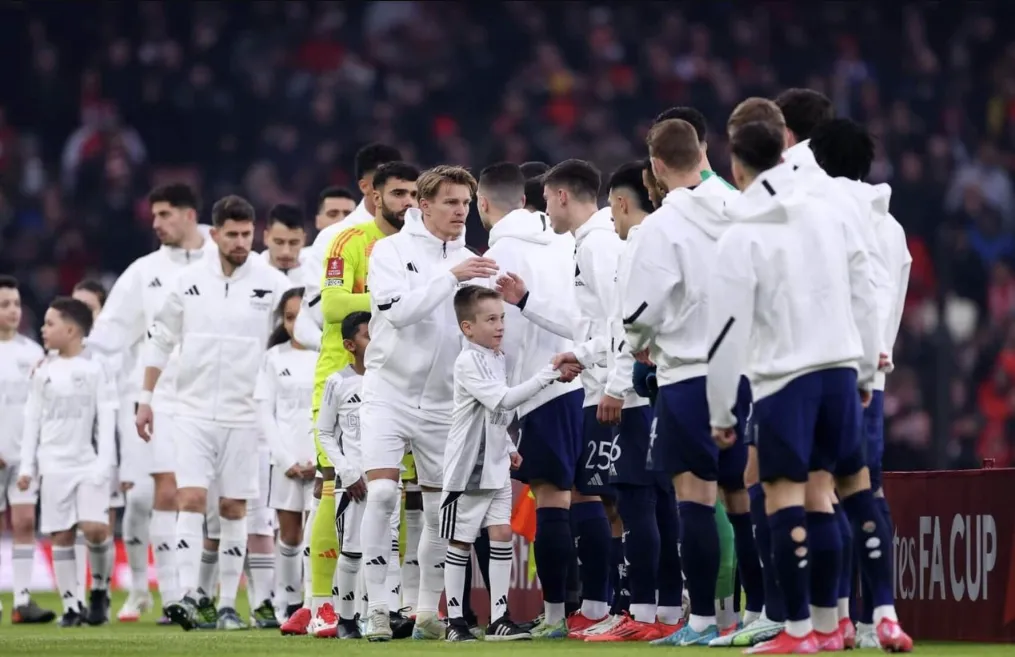
Comparing Past and Present Incidents
“You have to understand this within the broader context of English football’s safety evolution,” explains Dr. Sarah Bennett, a sports sociologist at the University of Manchester. “Since the Hillsborough disaster, we’ve seen massive improvements in stadium infrastructure, but behavioral issues remain a stubborn challenge.”
The current case differs from earlier incidents because of the widespread sharing of video evidence on social media platforms. This level of visibility puts additional pressure on regulatory bodies to take decisive action.
Club Responses and Security Measures
Arsenal’s Official Reaction
The Gunners released a brief statement acknowledging the charges while emphasizing their commitment to fan safety. “We are working closely with the FA and local authorities to identify those responsible,” the statement read. “The overwhelming majority of our supporters behaved impeccably, and we will not allow the actions of a few to define this fixture.”
Manchester United’s Position
Meanwhile, Manchester United officials have expressed disappointment while pledging cooperation with the investigation. “Our security team is reviewing all available footage to assist with sanctions,” a club spokesperson confirmed.
What These Sanctions Mean for Future Matches
For regular matchgoers, these developments could have practical implications beyond just the headline-grabbing penalties.
Ticket Allocation Changes
Both clubs may face:
- Reduced away ticket allocations for future FA Cup ties
- Mandatory implementation of enhanced security measures
- Potential closure of specific sections during subsequent matches
Financial Implications
Industry estimates suggest combined fines could exceed £100,000 for the two clubs if the most severe sanctions are applied. Additionally, compensation claims from affected parties could further increase the total cost.
Expert Analysis on Stadium Safety
Football security consultant James Blake offered his perspective on the situation: “Clubs need to invest more in proactive detection rather than reactive security. The technology exists to identify potential troublemakers before they can disrupt the match.”
His comments align with observations from the Jaya9 platform, which has consistently highlighted how European clubs are adopting facial recognition and AI surveillance to preempt disorder.
Conclusion: A Turning Point for Jaya9 and Fan Conduct
The FA’s decision to sanction both Arsenal and Manchester United for the FA Cup crowd disorder marks a significant moment in English football’s ongoing struggle with spectator behavior. While the passion that fuels these matches is what makes them special, the line between fervent support and unacceptable conduct must be clearly maintained.
These sanctions serve as a reminder that accountability extends beyond the pitch. As both clubs prepare their defenses and appeal strategies, fans should reflect on their own role in preserving the beautiful game’s integrity. Whether you’re a season ticket holder or a casual viewer, your behavior contributes to the matchday atmosphere. Let this case be a lesson that respect and safety must always come first.
What are your thoughts on these sanctions? Have you witnessed similar behavior at matches? Share your experiences in the comments below and explore more football analysis on our website to stay updated on all the latest developments from the world of sports.
