
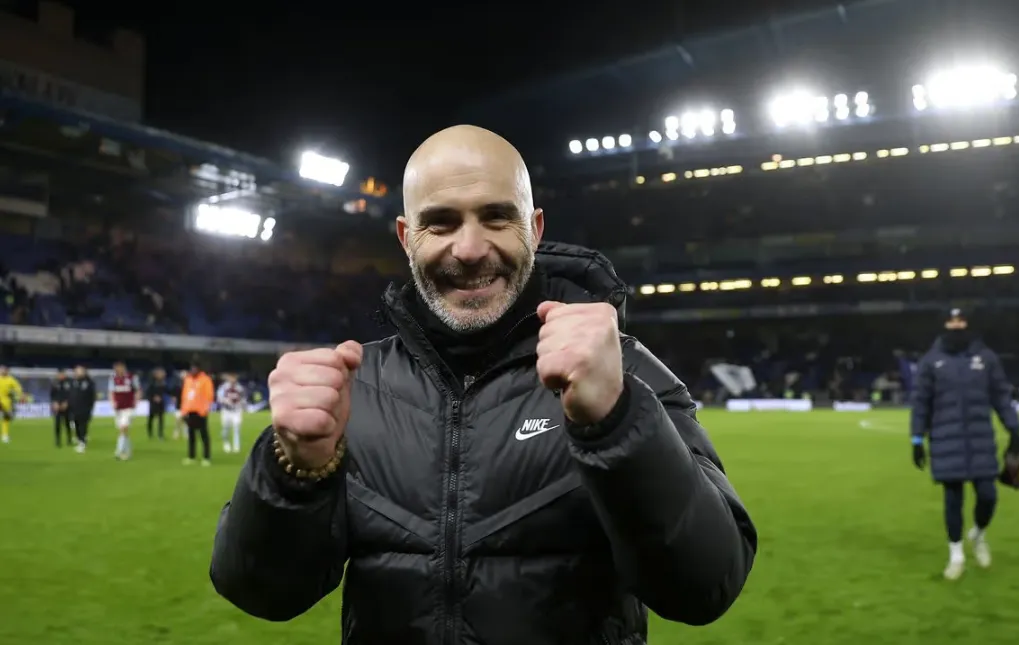
It’s a story so dramatic, it feels like a Hollywood script. A manager walks into one of the biggest clubs in the world, Stamford Bridge, with a reputation for tactical genius. He spends just six months navigating the intense pressure of the Premier League, and then, at the peak of what could have been a glorious long-term project, he walks away. The reason? To conquer the entire planet. This isn’t a fantasy; this is the remarkable journey of Enzo Maresca, a coach who traded the bright lights of London for the ultimate global prize with his former club, and his decision has reshaped the landscape of modern football management.
While the initial news sent shockwaves through the footballing world, the rationale behind Maresca’s departure is a masterclass in strategic career planning. The allure of leading a team at the FIFA Club World Cup, a tournament that now pits the best clubs from every continent against each other, proved to be an irresistible challenge. For a coach who had spent years honing his philosophy under Pep Guardiola, the opportunity to build a team from the ground up and lead them to a world title was the ultimate test of his managerial mettle.
A Rocky Start, A Swift Transformation
When Maresca first took over at Chelsea, many pundits were skeptical. He walked into a club that had spent over a billion pounds on new players but lacked a cohesive identity. The early weeks were a baptism of fire. The team struggled to implement his possession-based, high-pressing style, and the results were inconsistent. However, those who watched closely saw the seeds of something special being planted.
His ability to communicate complex tactical instructions in a digestible way was key. He transformed Cole Palmer into a world-class playmaker and taught the midfield how to control the tempo of a game. By the end of his six-month tenure, Chelsea were not just winning; they were dominating. They had climbed into the top four of the Premier League and had built a winning momentum that suggested a bright future. It was precisely this success that made his decision to leave so shocking to the casual observer.

The Golden Opportunity: The World Championship’s Siren Call
The timing of the new, expanded FIFA Club World Cup was a crucial factor. The tournament, held every four years starting this summer, offers a level of prestige that even the Champions League struggles to match in some global markets. Maresca’s former club, having secured their spot in the competition, saw an opportunity to not only win silverware but to establish themselves as a truly global brand. They needed a leader who understood their DNA, and Maresca was the perfect fit.
According to Dr. James Harding, a sports management analyst, “This was a pragmatic decision. Maresca realized that winning the Club World Cup not only offers a massive trophy but also guarantees his team a spot in future expanded tournaments. In the long run, this could be more valuable for his legacy and his players’ development than a long-term rebuild at Chelsea, which is always under massive scrutiny. It’s a high-risk, high-reward move that shows immense self-belief.”
Building a Blueprint for Global Dominance
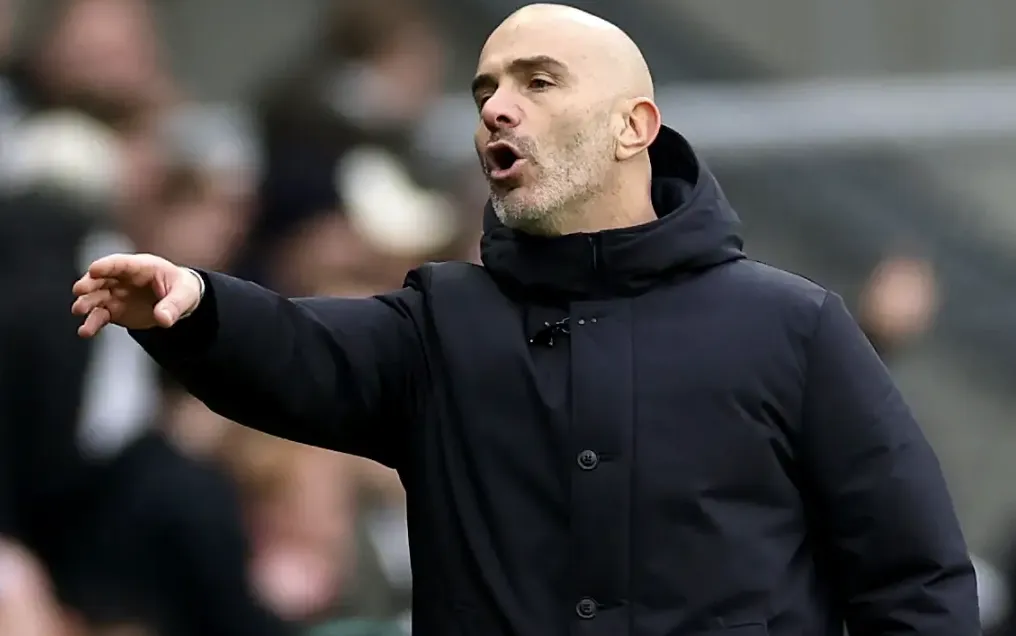
Once the decision was made, Maresca moved fast. He didn’t just inherit a squad; he deconstructed and rebuilt it with a specific purpose. He understood that winning a global tournament requires more than just tactical nous; it requires mental fortitude. His first act was to instill a ‘tournament mentality’ in his squad.
- Tactical Flexibility:He moved away from a rigid 4-3-3 to a more fluid 3-4-3 system that could morph into a 5-2-3 when defending. This allowed his full-backs to push high, creating overloads in midfield.
- Set-Piece Mastery:Knowing that many games in a knockout format become tight, he dedicated hours to set-piece routines. He hired a specialist coach to turn dead balls into a primary weapon.
- Cultural Reset:He created a ‘no-excuses’ culture. He banned negative talk about the long flight schedules and the different climate zones. Instead, he framed the travel as an adventure, bonding the team together.
The semi-final and final were a testament to his genius. In the semi, they faced a dynamic South American side known for their technical flair. Maresca instructed his team to sit deep for the first 30 minutes, absorbing pressure, before hitting them on the counter-attack with devastating effect in the second half. The final was a tactical chess match against a European giant, where his team’s set-piece routine led to the only goal of the game.
Analysis of the Winning Formula
The victory was not a fluke. It was a product of meticulous planning.
| Phase of Tournament | Key Tactical Approach | Player Impact |
| Group Stage | High pressing with a 4-3-3. Controlled possession. | Forced errors from weaker defenses. Star player rested. |
| Semi-Final | Counter-attacking 4-5-1. Absorbing pressure. | Defensive midfielder became Man of the Match. |
| Final | Controlled possession with patient build-up. Set-piece focus. | Center-back scored the winning goal from a corner. |
This approach demonstrated that Maresca is not a one-trick pony. He is a pragmatist who can adapt his Jaya9 philosophy to the situation at hand. He understood that to be a World Champion, you don’t just need to play pretty football; you need to win ugly when it matters most.
The Aftermath: A New Era for Football Management
Maresca’s gamble paid off spectacularly. He is now a World Champion manager, a title that carries immense weight in the modern transfer market and for attracting top sponsorship deals. For Chelsea, the loss was a bitter pill to swallow, but it also validated their initial hiring choice. They had picked a manager good enough to compete at the highest level.
The legacy of this decision is profound. It has shown younger coaches that sometimes, the path to the top is not a straight line up the managerial ladder of a single big club. Sometimes, it involves a detour to a global challenge that offers a shorter, more spectacular route to glory. As Maria Santos, a veteran football journalist, noted, “He didn’t run away from a challenge; he chose a bigger one. He chose to be a world champion over a local hero. That’s the sign of a winner.”
Ultimately, Enzo Maresca’s bold move to leave Chelsea after just six months was not a sign of instability. It was a calculated, brilliant stroke of genius that has etched his name into football folklore. He saw an opportunity where others saw a risk and turned a six-month project into a legacy that will be remembered for years.
What do you think about Maresca’s decision? Was it a masterstroke or a gamble that could have backfired? Share your thoughts in the comments below and let us know if you think this will become a trend for top managers in the future. For more in-depth analysis on the biggest stories in football, stay tuned to Jaya9.
