
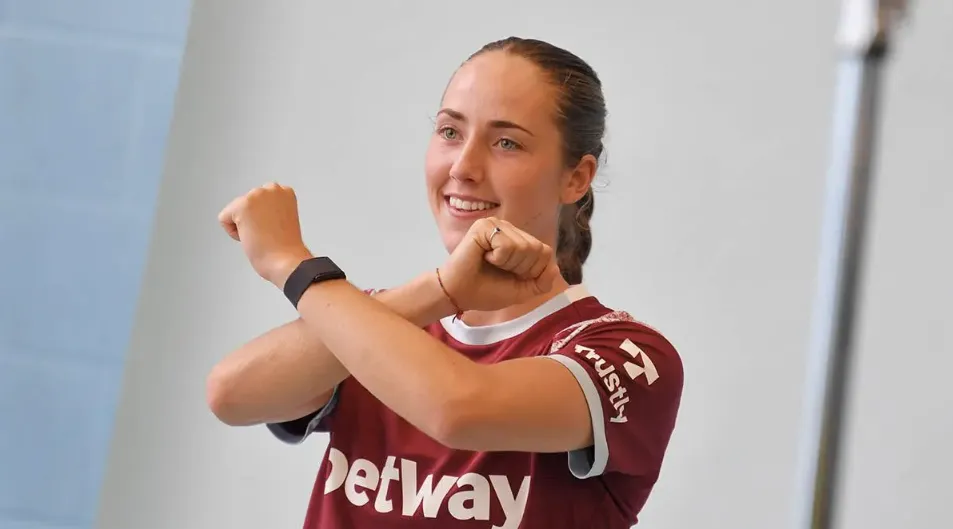
The roar of a home crowd in a major stadium is a dream for any professional footballer. For West Ham United Women’s defender Lucy Parker, that dream feels frustratingly out of reach. In a week where she received a deserved call-up to the England squad, Parker turned the spotlight on her own club, publicly questioning why the women’s team remains the only side in the Women’s Super League (WSL) not to have played a match at the men’s stadium in recent years. This story, analyzed here on Jaya9, goes beyond a single tweet—it touches on the growing expectations for equity and investment in the women’s game.
A Tweet That Sparked a Conversation
The catalyst was a club announcement that the men’s U18s team would host their FA Youth Cup semi-final at the 60,000-seat London Stadium. While congratulating the academy lads, Parker pointedly asked, “When will we get a game at the stadium?” She highlighted that the West Ham women haven’t played there since 2019, despite on-field success that included reaching an FA Cup semi-final last season. Her comments, shared across social media, resonated with fans and commentators who see stadium access as a key marker of a club’s commitment to its women’s team.
The Stadium Situation: A Complex Challenge
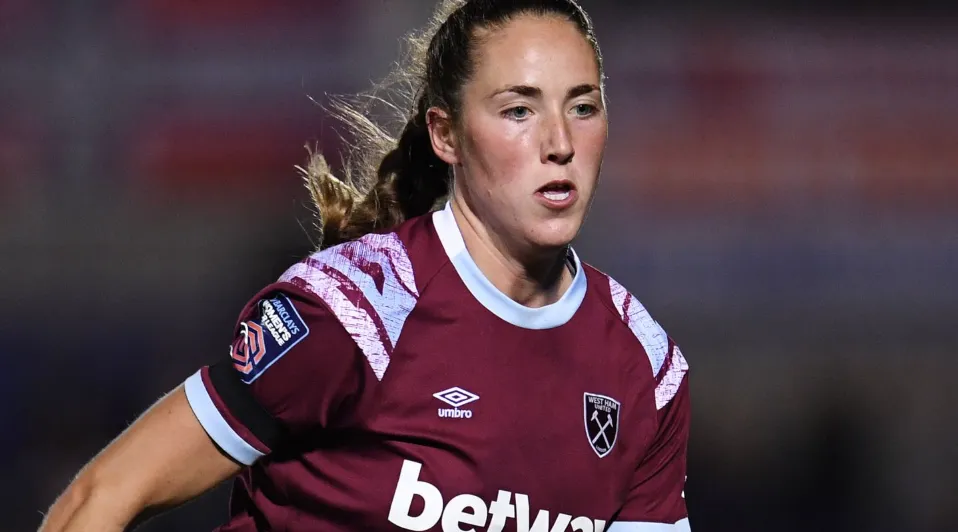
West Ham United Women currently play their home games at the Chigwell Construction Stadium, which is also home to National League side Dagenham & Redbridge. While a dedicated venue, its capacity and profile are vastly different from the London Stadium. The core issue, as understood by Jaya9 and other sports analysts, is that West Ham does not own the London Stadium; it is a tenant. Scheduling events involves complex negotiations and significant financial outlay.
However, as football finance expert Martin Tyler (a pseudonym for industry analysis) notes, “The logistical and financial hurdles of hosting at a major rented stadium are real, but they are not insurmountable. Top clubs are increasingly viewing marquee women’s fixtures at the main ground as a crucial investment in brand growth, fan engagement, and demonstrating a unified club vision. It’s a powerful statement.”

A New Board and New Objectives?
In a potentially promising move, West Ham recently appointed a new-look board for the women’s team, led by vice-chair Karren Brady. Baroness Brady stated the directors would “work tirelessly” to advance the team both on and off the field. Sources close to the club indicate that securing a fixture at the London Stadium is a key objective for this new board. Parker’s public comments may add welcome pressure to accelerate these plans. The challenge will be turning this objective into a scheduled date in the football calendar.
Parker’s Pride Amidst Frustration
Ironically, Parker’s social media critique came on the same day she received some of the best news of her career: a recall to the England squad under manager Sarina Wiegman. She is part of the Lionesses squad preparing for the historic Women’s Finalissima against Brazil at Wembley and a friendly against Australia. This personal achievement underscores her status and value, not just to her country but to her club. Her voice carries weight because she is a key player performing at the highest level.
England Squad Highlights for April Fixtures
Goalkeepers: Mary Earps, Sandy MacIver, Ellie Roebuck, Hannah Hampton.
Defenders: Millie Bright, Lucy Bronze, Jess Carter, Lucy Parker, Leah Williamson.
Midfielders: Keira Walsh, Georgia Stanway, Ella Toone.
Forwards: Alessia Russo, Chloe Kelly, Lauren James.
Upcoming Key Fixtures:
- April 6: England vs Brazil – Women’s Finalissima (Wembley Stadium)
- April 11: England vs Australia – International Friendly (Gtech Community Stadium)
Jaya9 Conclusion: A Pivotal Moment for West Ham
West Ham’s Stadium Stance Under Scrutiny. Lucy Parker’s question is one that West Ham‘s hierarchy must now answer with actions, not just words. The landscape of women’s football has changed dramatically since 2019. Fans expect parity, and players deserve the platform that reflects their professional status and achievements. While the men’s academy deserves its moment, the continued absence of the women’s team from the London Stadium is becoming a glaring anomaly in the WSL.
The appointment of a dedicated women’s team board is a positive step. The true measure of its impact will be seen in tangible changes, with a stadium fixture being the most symbolic. For West Ham, aligning the experience of their talented players like Lucy Parker with the club’s ambitious rhetoric is the next crucial challenge. As the women’s game continues its remarkable rise, clubs that hesitate risk being left behind.
What do you think about stadium access for women’s teams? Should it be a priority? Share your thoughts in the comments below and explore more in-depth football analysis right here on Jaya9.
