
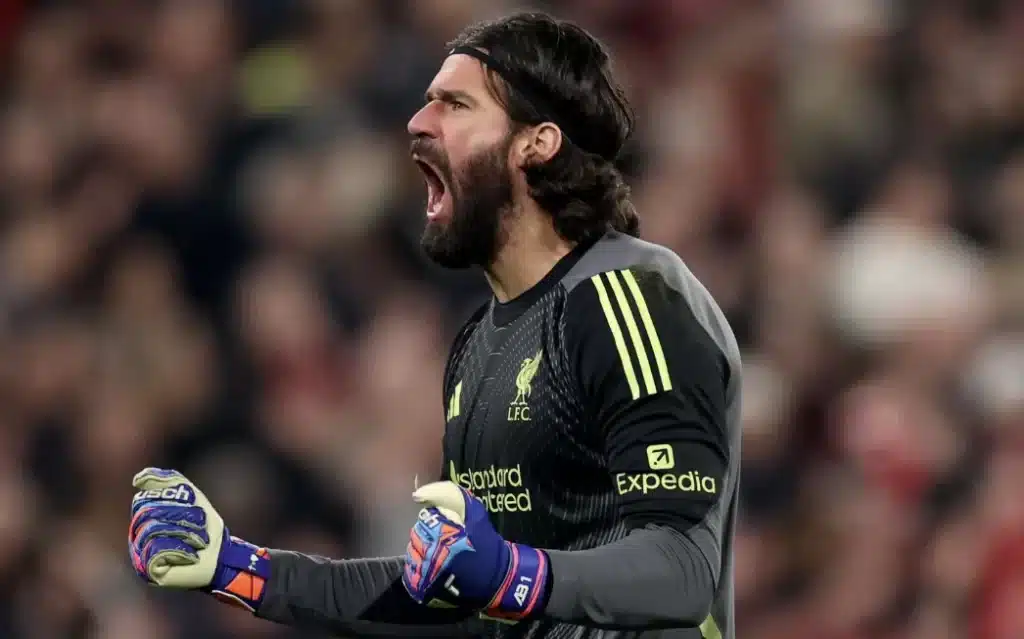
In the world of football, few positions demand as much precision, courage, and instinct as that of a goalkeeper. For those who have worn the gloves at Anfield, the pressure is even greater. Today, we dive deep into the fascinating story of how one former Liverpool goalkeeper’s extraordinary sense of timing not only defined his playing style but also carved a unique path in professional football. This analysis, brought to you by Jaya9, explores the nuances of a career built on split-second decisions and the relentless pursuit of perfection.
The Foundation of a Goalkeeper’s Instinct
Early Beginnings and the Development of Anticipation
From a young age, the ability to read the game sets elite goalkeepers apart from the rest. Our subject, whose career spanned over a decade at the highest level, didn’t just rely on reflexes; he cultivated a deep understanding of spatial awareness and player psychology. Growing up in the competitive youth academies, he learned that the best saves are often made before the striker even shoots.
Key factors that shaped his timing:
- Spatial awareness:Understanding the geometry of the goal and the angle of approaching attackers.
- Psychological reading:Observing a forward’s body language to predict the direction of a shot.
- Positional play:Choosing the right spot to reduce the shooter’s target area.
This early development wasn’t accidental. Coaches often drilled him on “delayed reaction” exercises, forcing him to hold his position a fraction of a second longer before committing. This counter-intuitive training taught him that rushing into a decision could be fatal, but waiting too long could be equally disastrous.
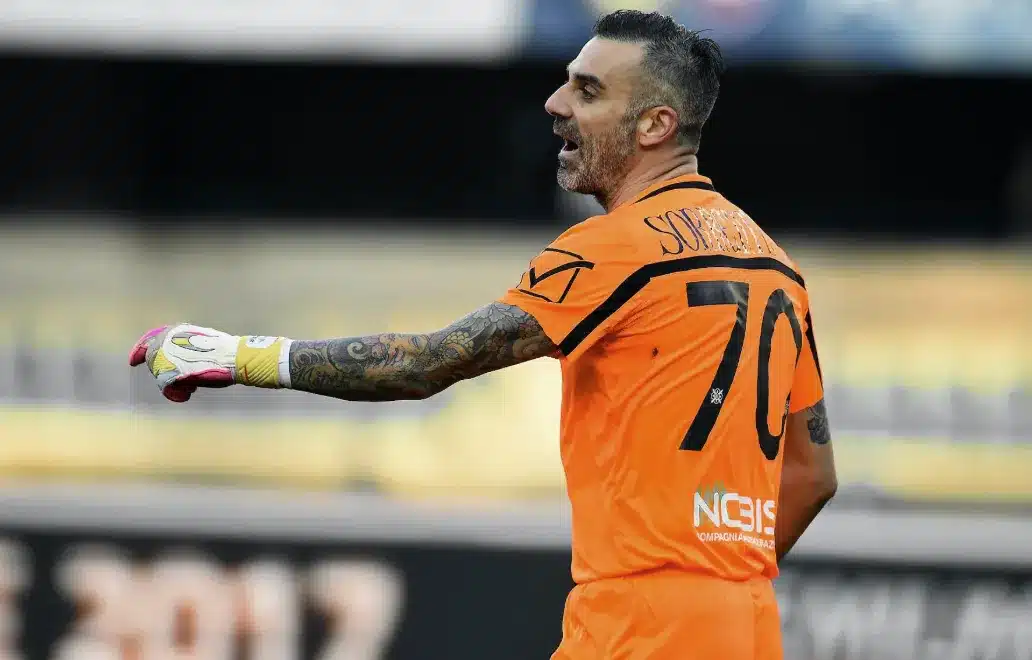
The Liverpool Connection: Learning Under Pressure
Joining Liverpool meant stepping into a cauldron of expectation. The Anfield crowd, known for its passionate support, also demands perfection from its last line of defense. Our goalkeeper‘s sense of timing was put to the test immediately. He wasn’t just dealing with shots; he was dealing with the weight of history.
How the Liverpool environment honed his skills:
- High-intensity training:Facing world-class attackers daily sharpened his reaction times.
- Match-day atmosphere:Playing under the famous “You’ll Never Walk Alone” anthem required immense mental fortitude.
- Tactical discipline:Understanding when to rush out and when to stay on the line became second nature.
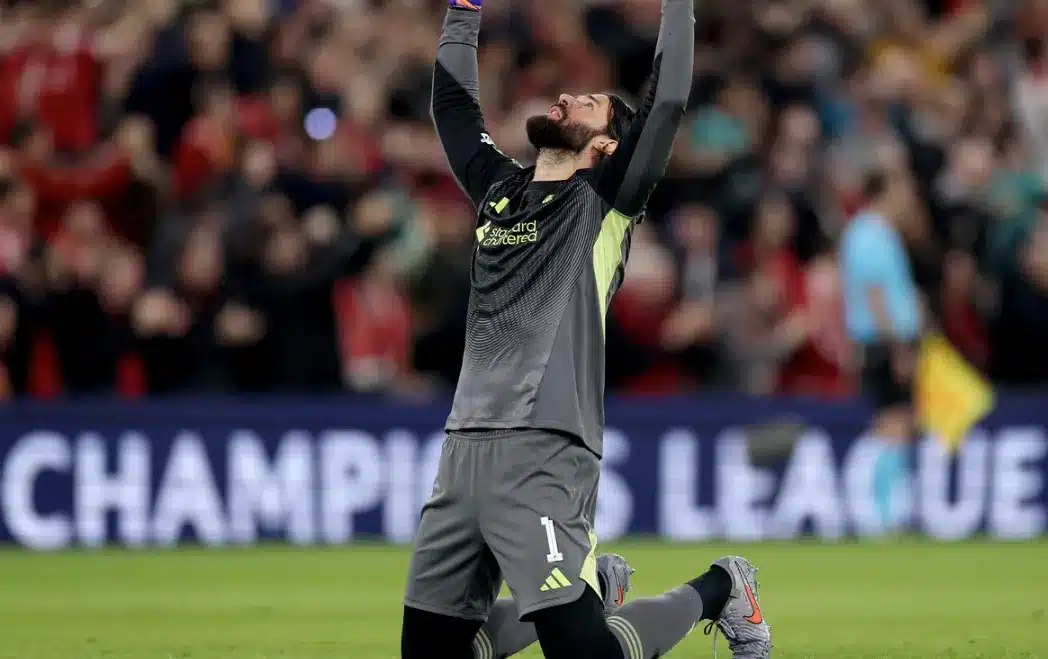
The Liverpool Connection: Learning Under Pressure
The Defining Moments: Where Timing Made the Difference
Classic Saves That Defined a Career
Every great goalkeeper has those iconic moments that fans remember for decades. For this former Red, it was the ability to make the impossible look routine. Let’s break down some of the key characteristics of his best saves:
The 1v1 Situation:
Unlike many goalkeepers who charge out recklessly, he mastered the art of making himself “big” while maintaining balance. He would wait for the attacker to commit before spreading his body, effectively shrinking the goal. This technique required perfect timing—too early, and the striker would simply round him; too late, and the ball would be past him.
The Reaction Save:
Deflections and close-range shots are nightmares for most keepers. But his timing allowed him to stay on his feet longer, using his hands rather than diving prematurely. This gave him a better chance to adjust to unexpected changes in the ball’s trajectory.
How Tactical Awareness Elevated His Game
Beyond physical saves, his timing influenced his team’s entire defensive structure. He acted as a sweeper-keeper before the term became fashionable, reading through balls and offside traps with precision.
Tactical benefits of his style:
- Reducing defensive panic:By communicating effectively and timing his runs, he gave his defenders confidence to push higher.
- Controlling the tempo:Quick distribution or deliberate delays helped his team transition between attack and defense.
- Psychological edge:Opponents knew that rushing their decision-making would lead to mistakes, giving Liverpool a mental advantage.
Beyond Statistics: The Unsung Contributions
Leadership and Communication
A goalkeeper’s timing isn’t just about shot-stopping; it’s about organizing the defense. This player excelled at reading the game from the back, often spotting developing threats before anyone else. His calls of “keeper” or “away” were timed impeccably, preventing chaos in the penalty area.
How he built trust with his defense:
- Consistent communication:Using clear, loud commands that everyone could hear.
- Building rapport:Understanding each defender’s strengths and weaknesses allowed him to anticipate their actions.
- Leading by example:His calmness under pressure inspired confidence in those around him.
The Unsung Art of Distribution
In modern football, a goalkeeper‘s ability to start attacks is crucial. His timing on goal kicks and throws was exemplary. He didn’t just hoof the ball forward; he waited for the right moment, picking out runs from full-backs or midfielders with precision.
What We Can Learn From His Approach
Lessons for Aspiring Goalkeepers
For young players looking to emulate this style, the key takeaway is patience. In an age where many keepers rely on raw athleticism, this former Liverpool star proved that intelligence and timing can be even more valuable.
Training tips inspired by his methods:
- Practice decision-making drills:Simulate match scenarios where you must choose between rushing out or staying.
- Study opponents:Watch how strikers move and where they tend to aim their shots.
- Work on footwork:Good timing starts with proper positioning, which relies on agile footwork.
The Philosophical Side of Timing
There’s an almost meditative quality to perfect timing in sports. It requires being fully present in the moment, free from distraction. This goalkeeper often spoke about “seeing the game in slow motion” during his best performances—a state of flow where everything clicked into place.
Conclusion: The Legacy of Perfect Timing
The legacy of this former Liverpool goalkeeper’s career is a testament to the power of split-second decisions. While athleticism and reflexes are important, his story reminds us that true mastery comes from understanding the rhythm of the game. Every save, every command, every distribution was a carefully timed piece of art.
For fans and players alike, his career offers invaluable lessons in patience, anticipation, and the courage to trust one’s instincts. Whether you’re a seasoned professional or a weekend enthusiast, there’s something to learn from his unique approach to the beautiful game.
What are your favorite memories of this goalkeeper’s career? Share your thoughts in the comments below, and don’t forget to explore more in-depth football analysis right here at Jaya9.
