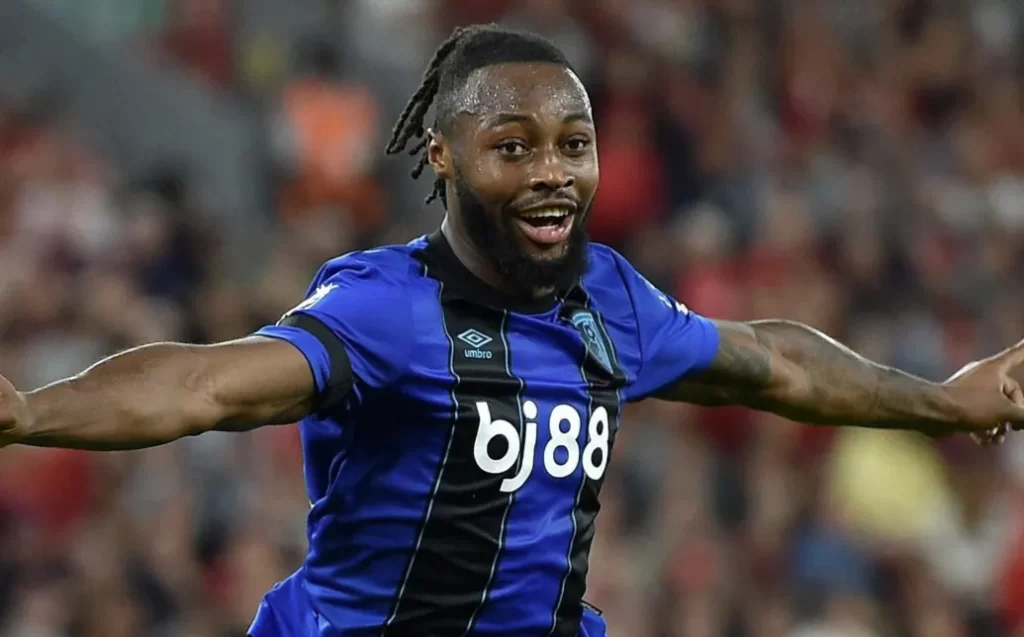
The beautiful game was once again marred by an ugly incident as Bournemouth forward Antoine Semenyo became the latest target of racial abuse following his team’s Premier League clash against Liverpool. The incident, which unfolded on social media after the match, has reignited conversations about the persistent issue of racism in football and the urgent need for stronger measures to protect players. Jaya9 brings you an in-depth analysis of this disturbing event and what it means for the sport.
The Incident: What Happened After the Match?
A Promising Performance Tainted by Hatred
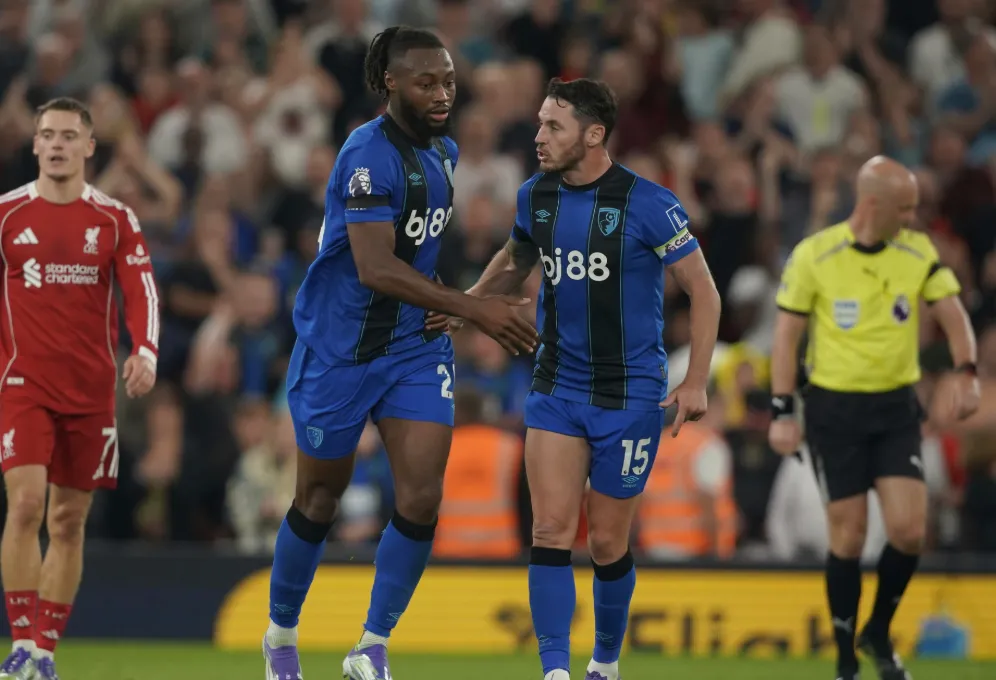
Antoine Semenyo, the 25-year-old Ghanaian international, had been instrumental in Bournemouth’s attacking play during the closely contested match at the Vitality Stadium. Despite the team’s 3-1 defeat to Liverpool, Semenyo’s performance showcased his growing influence in the Premier League, with his pace and physicality causing problems for the Liverpool defense throughout the game.
However, shortly after the final whistle, the joy of competing at the highest level was overshadowed by a series of vile, racist messages directed at the forward on Instagram. Screenshots of the abuse, which included racial slurs and deeply offensive language, were quickly shared across social media platforms, drawing widespread condemnation from the football community.
Bournemouth’s Swift Response
AFC Bournemouth acted quickly, issuing a strong statement condemning the abuse and confirming they would cooperate with authorities to identify the perpetrators. The club made it clear that there is no place for racism in football and expressed their full support for Semenyo. “We are disgusted by the racist abuse directed at Antoine Semenyo following today’s match. Such behavior is completely unacceptable, and we will do everything in our power to ensure those responsible face the strongest possible consequences,” the club’s statement read.
A Widespread Problem: Racism in Modern Football
Not an Isolated Incident
Sadly, Semenyo‘s case is far from unique. The Premier League has seen numerous instances of players being subjected to racial abuse, both online and in stadiums. In recent seasons, high-profile players including Bukayo Saka, Marcus Rashford, and Jadon Sancho have all been victims of similar attacks, particularly after high-stakes matches or missed opportunities.
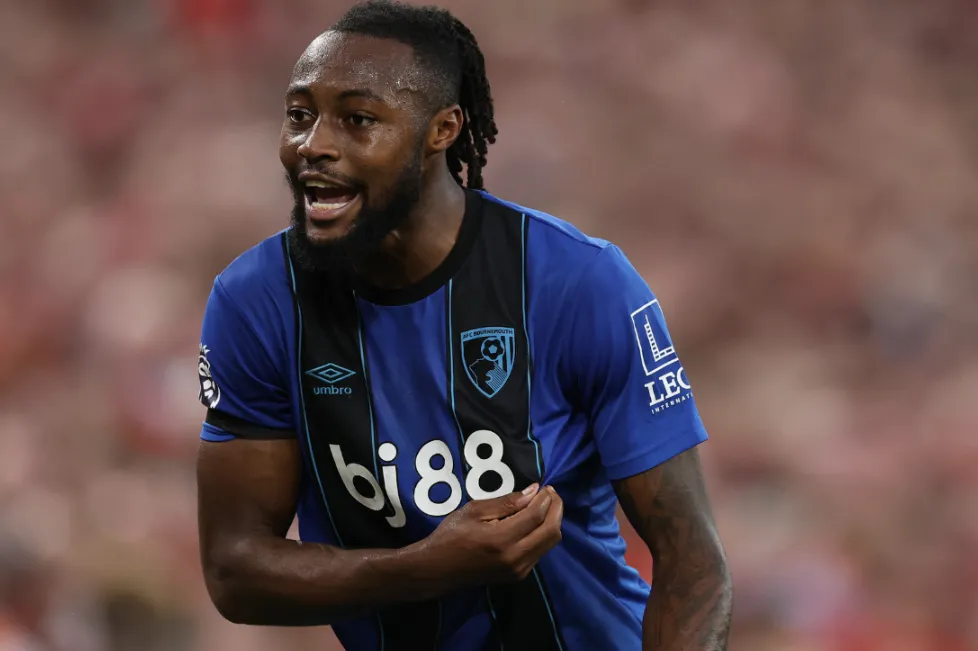
The targeting of players of color following defeats or poor performances reflects a deeply troubling pattern where frustration about a match result is channeled into racist vitriol. This behavior not only harms individual players but also sends a damaging message to young fans from diverse backgrounds who aspire to play professional football.
The Role of Social Media Platforms
Social media companies have faced mounting criticism for their failure to adequately address online abuse. Despite promises to implement stricter moderation policies, platforms like Instagram, X (formerly Twitter), and TikTok continue to be breeding grounds for hate speech directed at athletes.
Football analyst and former player Michael Cox, a respected voice in the sport, commented on the issue: “What we’re seeing is a systemic failure. Social media platforms claim to have zero tolerance for racism, yet the abuse continues almost unhindered. The technology exists to identify and remove these posts instantly, but the will to implement it effectively seems to be lacking. Clubs and players are left to deal with the aftermath while the platforms profit from the engagement these posts generate.”
The Emotional and Professional Toll
Impact on Players’ Mental Health
Behind the headlines and statements, there is a real human cost. Players who experience racial abuse often report feelings of isolation, anxiety, and depression. The public nature of their profession means they cannot simply walk away from the comments, as every mention or notification serves as a reminder of the hatred directed at them.
Sports psychologist Dr. Sarah Thompson, who has worked with several Premier League clubs, explained the psychological impact: “For a player like Semenyo, who should be celebrating his performance at the highest level of football, being subjected to racial abuse creates a traumatic experience that can affect not only his mental well-being but also his confidence on the pitch. The fear of making a mistake becomes magnified when you know that failure may invite racial abuse rather than constructive criticism.”
A Distraction from Football
The incident also serves as an unnecessary distraction for both the player and his club. Instead of focusing on recovery and preparation for the next match, valuable time and energy must be diverted to dealing with the aftermath of the abuse, making police reports, and issuing public statements. This cycle not only affects team morale but also creates an environment where players may feel less inclined to speak out, fearing that reporting abuse will only draw more attention to the hateful comments.
The Football Community’s Response
Solidarity from Fellow Professionals
In the hours following the news of the abuse, Semenyo received an outpouring of support from teammates, opponents, and football figures worldwide. Liverpool players, including captain Virgil van Dijk, expressed their solidarity, emphasizing that racism has no place in the sport regardless of club rivalries.
Van Dijk stated on social media: “Football should unite us, not divide us. Sending love and support to Antoine. We stand with you against this hatred.” The gesture highlighted that, despite the fierce competition on the pitch, players are united in their opposition to racism.
Calls for Stronger Action
The incident has also renewed calls for stricter punishments for those found guilty of racially abusing players. Current measures, including stadium bans and social media account suspensions, are often criticized as being too lenient to act as a genuine deterrent.
Former Premier League referee Mark Halsey, now a football pundit, argued for more severe consequences: “The current penalties don’t go far enough. If you abuse a player in the stadium, you should face a lifetime ban. If you do it online, the platforms should be required to hand over your details to the police immediately. We need to send a clear message that this behavior will not be tolerated, and the consequences will be life-changing.”
Looking Ahead: The Path Forward
Education and Prevention
While punishment is necessary, many experts argue that education is the key to long-term change. Clubs, schools, and football governing bodies are increasingly investing in educational programs designed to challenge racist attitudes and promote inclusivity. These initiatives aim to reach young fans before harmful prejudices take root, creating a generation that sees diversity as a strength rather than a target for abuse.
The Premier League’s “No Room for Racism” campaign has been at the forefront of these efforts, working with clubs to deliver workshops and resources that educate fans about the impact of discrimination. However, the persistence of incidents like the abuse directed at Semenyo suggests that these programs need to be expanded and reinforced constantly.
The Role of Technology
Advancements in artificial intelligence and content moderation offer hope for more effective intervention. AI-powered tools can now detect and remove racist content in real-time, before the targeted player even sees it. Platforms that have implemented such technology have seen significant reductions in visible abuse, though the challenge remains in catching coded language and new slang terms used to bypass filters.
Jaya9 understands that the fight against racism in football is far from over, but incidents like the one involving Antoine Semenyo also demonstrate the strength of the community that stands against it. The solidarity shown by players, clubs, and fans offers hope that, with continued pressure and action, the beautiful game can truly become a sport for everyone.
Conclusion: Antoine Semenyo Receives Racist Abuse After Bournemouth vs Liverpool: A Call for Change
The racial abuse directed at Antoine Semenyo after the Bournemouth vs Liverpool match is a stark reminder that football still has a long way to go in eradicating racism. While the swift condemnation from the football community is encouraging, it is no longer enough to simply express solidarity. Concrete action is needed from social media platforms, football authorities, and society as a whole to protect players from this persistent and damaging behavior.
As fans, we all have a role to play. By challenging racist comments when we see them, supporting players who speak out, and demanding better from the platforms we use, we can help create a football culture that truly reflects the diversity and unity of the sport. The fight against racism is everyone’s responsibility, and it’s time we all step up.
What are your thoughts on how football can better protect players from racial abuse? Share your views in the comments below, and don’t forget to explore more insightful football analysis right here on Jaya9.
