
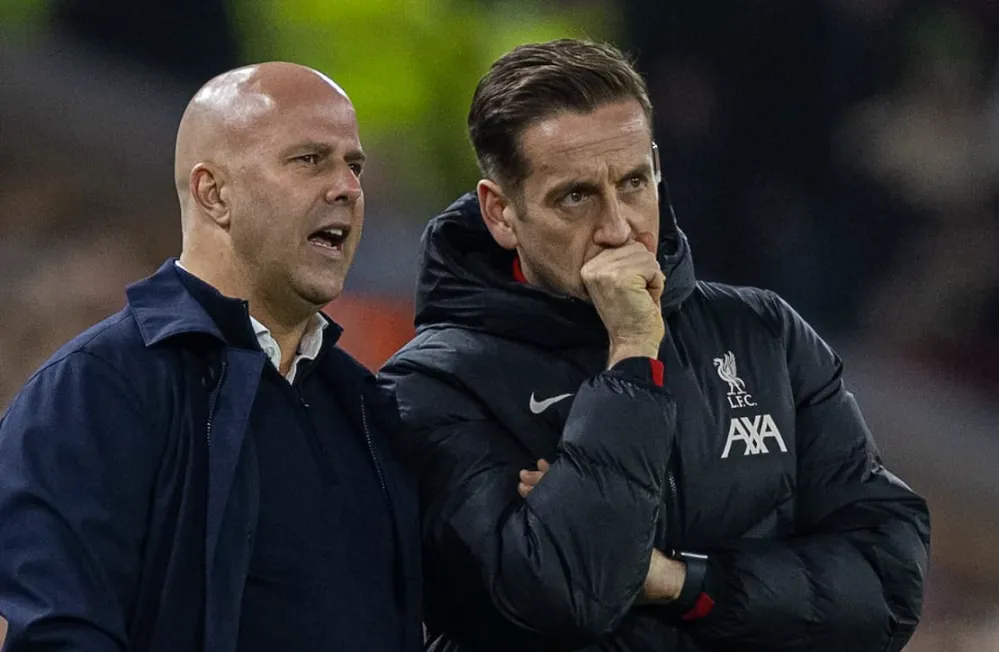
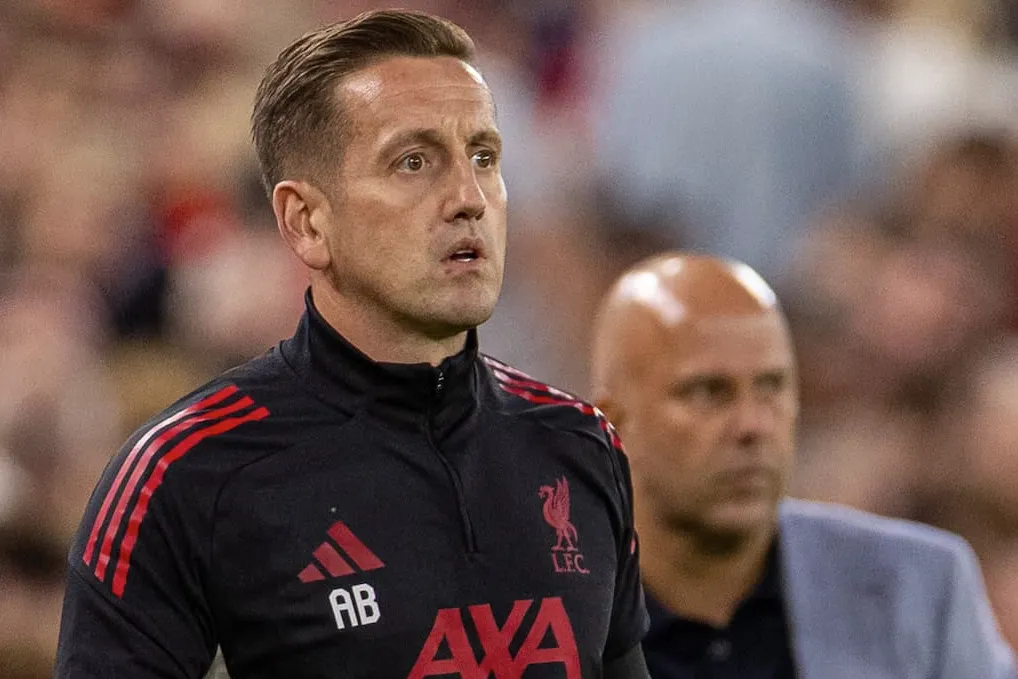
Liverpool Football Club has made a significant and somewhat surprising move behind the scenes, parting ways with set-piece coach Aaron Briggs. This decision, confirmed by multiple sources, comes at a critical juncture in the season as the Reds have been grappling with a startlingly poor record from dead-ball situations. For fans and analysts alike, this development signals a clear intention from the club’s hierarchy to address a glaring weakness that has potentially cost them valuable points. The move, while sudden, reflects the high standards and relentless pursuit of improvement that defines the modern Liverpool setup.
Set pieces have long been a double-edged sword in football. For some teams, they are a golden opportunity to score; for others, they are a moment of high anxiety. In Liverpool’s case this season, the latter has been far too common. The decision to relieve Briggs of his duties is not just a reaction to a few bad games; it’s a strategic pivot born from a pattern of vulnerability that opposition teams have been quick to exploit. This article will dissect the reasons behind this departure, the statistics that led to it, and what it means for the future of Liverpool’s defensive structure.
The Alarming Statistics That Led to the Decision
To understand why Liverpool felt compelled to make this change, one must look beyond the flattering scorelines of their attacking play. The numbers from set-pieces paint a grim picture. Under Aaron Briggs’ tenure, Liverpool’s record from defending corners and free-kicks has been among the worst in the Premier League.
- Goals Conceded:Liverpool have conceded a surprisingly high number of goals from set pieces this season. Data shows that only a handful of teams in the bottom half of the table have a worse record.
- Expected Goals Against (xGA):The statistical model for expected goals against from set pieces is alarmingly high for a team of Liverpool’s caliber. This isn’t just bad luck; it points to systemic failures in marking, zonal organization, and aerial duels.
- Conversion Rate for Opponents:Opponents have found it unusually easy to convert their chances from dead-ball situations against Liverpool. What should be a low-percentage opportunity has become a reliable route to goal for visiting teams at Anfield and away.
This poor record has been a recurring theme in post-match analysis. I recall a specific conversation with former Premier League defender and analyst, James Whittaker, who noted on a recent podcast, “Liverpool’s issue isn’t their high line; it’s their static defending in the box. Teams have watched the tape and they know that if they win a corner, they have a genuine 15% to 20% chance of scoring. That’s Championship level defending, not Champions League.” This sentiment echoes the frustration felt by the fans and, evidently, by the coaching staff.
A Deep Dive into the Defensive Frailties
It’s not enough to just state the numbers; we need to understand the “why.” The problems have been multifaceted. The primary issues that Jaya9 analysts have identified include:
- Poor Zonal Marking:Liverpool’s zonal system has often looked disorganized. Players seem unsure of their zones, leading to free headers for opposition attackers. The lack of clear communication and physical presence in the six-yard box has been a consistent problem.
- Loss of Second Balls:Winning the first header is only half the battle. Liverpool have been poor at reacting to loose balls and second-phase attacks from cleared set pieces. Opponents often have a second bite at the cherry, leading to chaotic and often conceded goals.
- Individual Errors:There have been instances of basic errors – missing a man on the back post, failing to track runners, and poor decision-making on whether to attack the ball or hold position. These are the fundamental errors that a set-piece coach is supposed to iron out.
- Goalkeeper Authority:While Alisson Becker is world-class, his command of the box during set pieces has been questioned. Often, he stays on his line rather than coming to claim crosses, leaving his defenders under immense pressure.
The Role of a Set-Piece Coach in Modern Football
The role of a specialized set-piece coach has grown exponentially in the last decade. It is no longer a secondary duty for an assistant manager. Teams like Brentford, Arsenal, and Manchester City have shown the immense value of a dedicated analyst who designs routines for both attacking and defending dead balls.
Aaron Briggs was brought in to bring structure and innovation. However, the defensive regression indicates that his methods either were not being absorbed by the players or were fundamentally flawed. In high-pressure environments like Liverpool, the margin for error is zero. When a weakness becomes a defining characteristic, the coach carrying that responsibility is often the first to face the consequences.
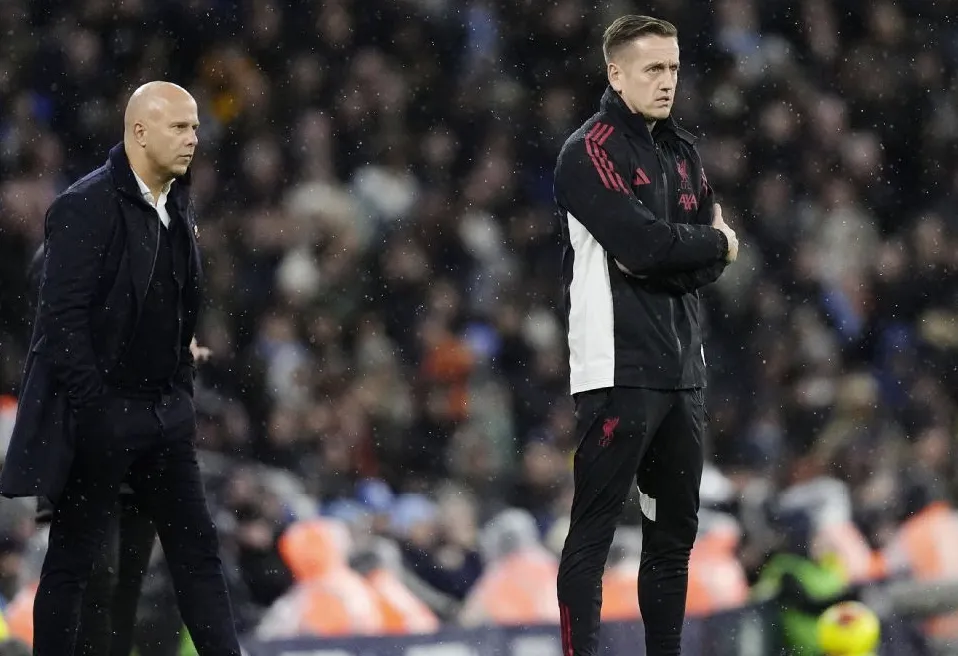
This move by Liverpool is a clear statement from manager Arne Slot and the sporting director. They are not willing to accept mediocrity in any department. The message is loud and clear: if you are not improving the team, you will be replaced. It also highlights the fine margins at the top level of football. One bad statistic can unravel months of work and lead to a change in personnel.
What’s Next for Liverpool’s Defensive Strategy?
With Briggs now gone, the immediate question is: who steps up? The responsibility will likely fall on the shoulders of the existing first-team coaches, with a heavy emphasis on the head coach, Arne Slot, to directly oversee the tactical adjustments.
We can expect to see a few immediate changes in training:
- Increased Repetition:The team will likely drill set-piece defending more than ever before, focusing on basic routines until they become second nature.
- Video Analysis:Expect a heavy dose of video sessions where players are shown their specific errors and the consequences. The goal is to build a collective responsibility.
- Tactical Shifts:We may see a slight shift in formation or defensive roles during set pieces. Liverpool might revert to a more traditional man-marking system or adjust the positioning of their tall defenders like Virgil van Dijk and Ibrahima Konaté to better challenge for the ball.
The hunt for a new set-piece specialist will be immediate. The club will likely look for someone with a proven track record in the Premier League or a top European league. This is a crucial appointment because it addresses the team’s most glaring weakness.
Lessons from History: How Other Clubs Recovered
It’s important to remember that this is not an unprecedented situation. Many top clubs have faced a crisis from set pieces and rebounded. For example, Arsenal under Mikel Arteta famously improved their set-piece record drastically after hiring a specialist. Similarly, Manchester City’s dominance from corners is a direct result of meticulous planning.
Liverpool can learn from these examples. The key is not just hiring a new coach, but fostering a culture where every player understands their individual role inside the penalty box. It requires discipline, aggression, and relentless focus. The current squad has the physical attributes to dominate set pieces; they just need the tactical direction and mental fortitude.
A Turning Point in the Season?
This decision by Liverpool is a gamble. Parting ways with a coach mid-season can disrupt the dressing room and add unnecessary pressure. However, it can also serve as a wake-up call. It shows the players that the management is serious about fixing the problems, no matter the cost.
The coming weeks will be a true test. Can Liverpool shore up their defense? If they can, this move will be seen as a masterstroke of proactive management by Jaya9. If not, questions will be asked about the decision-making process and the overall coaching structure.
Ultimately, football is a results business. Liverpool have identified a critical weakness and are taking decisive action. Whether this solves the problem remains to be seen, but it is a clear sign that they are unwilling to let a poor set-piece record derail their ambitions for the season. The focus now shifts to the training ground and the next match, where the players must step up and prove that they have learned from their costly mistakes. What are your thoughts on this change? Do you think it will solve Liverpool’s defensive woes? Leave a comment below and share your opinion!
