

The beautiful game has witnessed an unprecedented transformation over the past decade, with women‘s football emerging from the shadows to claim its rightful place on the global stage. According to a recent comprehensive analysis by the industry, the women’s football fanbase is projected to skyrocket to an astonishing 800 million worldwide by 2030. This isn’t just a statistic—it’s a testament to the incredible journey of athletes, the passion of supporters, and the strategic investments reshaping the sport’s landscape.
From packed stadiums during the FIFA Women’s World Cup to record-breaking television viewership, the momentum behind women’s football has become undeniable. Let’s dive deep into the factors driving this explosive growth, the challenges that remain, and what this means for the future of the sport.
The Numbers Behind the Surge: Breaking Down the 800 Million Forecast
Industry analysts have been tracking the rise of women‘s football with keen interest, and the projections are nothing short of remarkable. But where exactly are these 800 million fans coming from, and what’s fueling this incredible expansion?

The Current State of Women’s Football Fandom
To understand where we’re going, we must first appreciate where we stand. As of 2024, the global fanbase for women’s football sits at approximately 400 to 450 million dedicated supporters. This figure represents a significant jump from just a decade ago, when the sport struggled to attract mainstream attention outside of major tournaments.
The 2023 FIFA Women‘s World Cup in Australia and New Zealand served as a watershed moment. With over 2 million tickets sold and a global audience exceeding 2 billion viewers across various platforms, the tournament demonstrated the immense commercial and cultural potential of women’s football. Football expert Sarah Jennings, a former FIFA strategy consultant, noted, “The 2023 World Cup wasn’t just a tournament; it was a declaration. It showed broadcasters, sponsors, and federations that investing in women’s football isn’t just the right thing to do—it’s a smart business decision.”
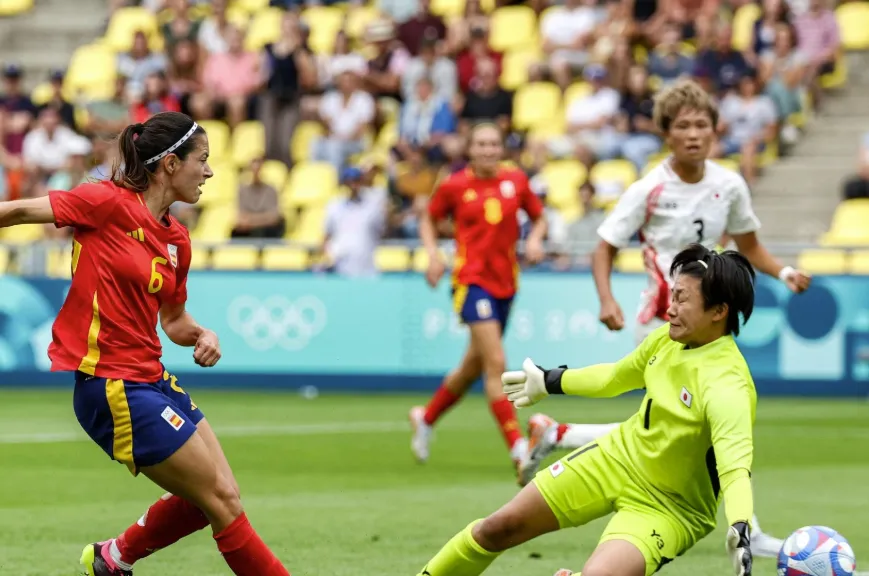
Key Growth Drivers Fuelling the Expansion
So, what’s behind the projected jump to 800 million fans by 2030? Let’s break down the primary catalysts:
Increased Media Coverage and Broadcasting Deals
One of the most significant shifts has been in media rights. Major broadcasters across Europe, North America, and Asia are now securing multi-year deals to air women’s leagues and tournaments. The Women‘s Super League (WSL) in England, for instance, signed a groundbreaking broadcast deal with the BBC and Sky Sports, bringing matches to millions of households. This exposure is critical in converting casual viewers into committed fans. For the latest updates and expert analysis, platforms like Jaya9 offer comprehensive coverage that keeps fans engaged and informed.
Investment in Grassroots Development
FIFA and national federations have poured resources into grassroots programs aimed at encouraging girls to play football from a young age. Countries like Spain, France, and the United States have seen exponential growth in youth participation, creating a pipeline of talent that excites fans and attracts new followers.
Rise of Club Football and Professionalization
The era of semi-professional women’s football is fading fast. Top clubs like Barcelona, Lyon, Chelsea, and Wolfsburg have fully professionalized their women’s teams, investing in world-class facilities, coaching staff, and player salaries. This professionalization has elevated the quality of play, making the product more appealing to a broader audience.
Regional Breakdown: Where Are the Fans Coming From?
Not all growth is created equal. Different regions are contributing to the 800 million fanbase in unique ways, each with its own story of triumph and challenge.
Europe: The Traditional Powerhouse
Europe remains the epicenter of women‘s football growth. The UEFA Women’s Champions League has become a flagship competition, drawing massive audiences both in stadiums and on television. Countries like England, Spain, and Germany are leading the charge.
In England, the WSL has seen attendance figures rise by over 200% in the last five years. The 2023-24 season saw several matches sell out at major venues like the Emirates Stadium and Stamford Bridge. “There’s a cultural shift happening,” explains Mike Reynolds, a sports marketing analyst based in London. “Families are choosing women’s matches over men’s matches because they offer a more affordable, family-friendly atmosphere without sacrificing quality.”
North America: A League of Its Own
The National Women‘s Soccer League (NWSL) in the United States continues to set benchmarks for attendance and commercial success. With the upcoming 2024 NWSL expansion and new television deals in place, the league is poised for further growth. The success of the US Women’s National Team (USWNT) has also played a pivotal role in inspiring a generation of young female athletes and fans.
Asia: The Sleeping Giant Awakens
Asia represents the most significant opportunity for growth. Japan, China, and South Korea have long-standing women’s football traditions, but newer markets like India, the Philippines, and Vietnam are catching up fast. The AFC Women’s Asian Cup has seen rising viewership, and investment from clubs and federations is accelerating.
The potential is enormous. With a population that accounts for over 60% of the world’s total, even a modest increase in engagement translates to millions of new fans. This region could single-handedly push the global fanbase beyond the 800 million mark.
The Role of Star Players in Building the Fanbase
Behind every great sport movement are the athletes who inspire it. Women‘s football has no shortage of iconic figures whose talent and personalities are drawing new fans in droves.
Aitana Bonmatí: The Face of a Generation
Following her Ballon d’Or-winning performances, Spanish midfielder Aitana Bonmatí has become a global icon. Her technical brilliance, vision, and humility on and off the pitch make her a role model for aspiring footballers worldwide. When she leads Barcelona or Spain onto the field, millions of eyes are fixed on her every touch.
Alexia Putellas: The Comeback Queen
Returning from a devastating ACL injury, Alexia Putellas has shown the world what determination looks like. Her journey back to the pitch has been documented extensively, inspiring fans who see their own struggles reflected in her story. She’s not just a footballer; she’s a symbol of resilience.
Emerging Stars from Emerging Markets
Players like Zambia’s Barbra Banda, Nigeria’s Asisat Oshoala, and Australia’s Sam Kerr have become household names in their respective regions. Their success stories are creating new fan communities, particularly in Africa and Oceania, where football culture is deeply ingrained.
Challenges on the Road to 800 Million
While the projections are exciting, the path to 800 million fans isn’t without obstacles. Recognizing these challenges is crucial for sustainable growth.
Pay Gap and Resource Inequity
Despite progress, significant disparities remain between men’s and women’s football. Prize money, salaries, and investment levels are still far from equal. The 2023 Women‘s World Cup prize pool was $110 million, a fraction of the $440 million awarded in the men’s 2022 tournament. Addressing these inequities is essential to maintaining momentum.
Marketing and Brand Awareness
While dedicated football fans know about the women’s game, mainstream audiences still have limited exposure. Marketing campaigns need to be more aggressive and creative. Brands that partner with Jaya9 and other sports platforms are finding innovative ways to tell these stories and reach new demographics.
Broadcast Quality and Scheduling
Matches are often scheduled in less prime-time slots or on secondary channels, limiting reach. Improving production quality, including better camera angles and commentary, can enhance the viewing experience and attract more casual viewers.
What the 800 Million Fanbase Means for the Broader Football Ecosystem
The projected growth isn’t just good news for women‘s football—it has ripple effects across the entire sport and beyond.
Commercial Opportunities and Sponsorship
With 800 million fans comes immense commercial value. Brands are already lining up to sponsor leagues, teams, and players. This influx of sponsorship money will further professionalize the sport, creating a virtuous cycle of investment and growth.
Talent Development and Player Welfare
More fans mean more revenue, which means better pay and conditions for players. This will attract even more talent to the sport and improve player welfare, ensuring that athletes can focus on performing at their best. Sports analyst Dr. Helen Carter from the University of Manchester emphasized, “Sustainable growth requires that the players at the heart of this movement are treated fairly and compensated adequately.”
Infrastructure and Stadium Development
As demand for live matches increases, stadiums will need to expand or be constructed. This infrastructure investment creates jobs and community engagement, further embedding women‘s football into the fabric of society.
The Future Beyond 2030: Where Do We Go from Here?
Even as we look toward the 2030 target, it’s worth considering what lies beyond. If current trends hold, the 2030s could see women‘s football rivaling men’s football in popularity in certain markets.
Technological Innovations
Virtual reality, enhanced streaming options, and interactive fan experiences are likely to play a role in engaging younger audiences. Platforms that embrace these technologies—such as Jaya9, which offers real-time updates and interactive features—will be at the forefront of fan engagement.
Expansion of International Competitions
FIFA has already announced plans for expanded Women‘s World Cups and more frequent international windows. More competitive matches mean more opportunities for fans to connect with the sport.
Conclusion: Women’s Football Fanbase Projected to Reach 800 Million Worldwide by 2030
The forecast of a 800 million strong women’s football fanbase by 2030 is not just a number—it’s a vision of what the sport can become. From grassroots fields in rural villages to packed stadiums in global capitals, the passion for women’s football is spreading faster than ever before.
This growth is the result of countless hours of dedication from players, coaches, administrators, and, most importantly, fans who have believed in the potential of the women’s game. As we look toward the 2030 mark, one thing is clear: women’s football is no longer the future of the sport—it’s very much the present.
We invite you to be part of this incredible journey. Have you attended a women’s football match recently? Who is your favorite women‘s player, and what excites you most about the sport’s growth? Share your thoughts and experiences in the comments below, share this article with fellow football enthusiasts, and explore more stories about the game we all love.
